
UCSF Ranks No. 3 Nationwide for Neurology & Neurosurgery in 2024-25
U.S. News & World Report ranked UCSF Medical Center as the No. 3 hospital nationwide for Neurology & Neurosurgery, marking seven consecutive years of ranking among the top three programs in the country.

New Parkinson’s Treatment Helps Former Pro Keep Skateboarding
In a first, UCSF scientists develop an adaptive brain pacemaker that can prevent Parkinson’s symptoms before they occur.

This AI Tool Helps Neurosurgeons Find Sneaky Cancer Cells
Physicians would have real-time diagnostic information they can uses while a patient is still sedated.

Clinical Trial Could Move the Needle in Traumatic Brain Injury
Department of Defense-funded study aims to end a decades-long impasse in treatment development.

To Appreciate Music, the Human Brain Listens and Learns to Predict
When we listen to music, some neurons hear the notes of a melody, while others anticipate which notes will be next.

How this ‘Switchable’ CAR-T Therapy Sets its Sights on Deadly Brain Cancer
Invented at UCSF, this smarter gene therapy is revolutionizing the field of precision cancer care and may, one day, cure the deadliest form of brain cancer.

Speech Neuroprothesis Decodes English and Spanish Words
A bilingual participant regains the ability to communicate more naturally in both languages he speaks with the new tecnology.
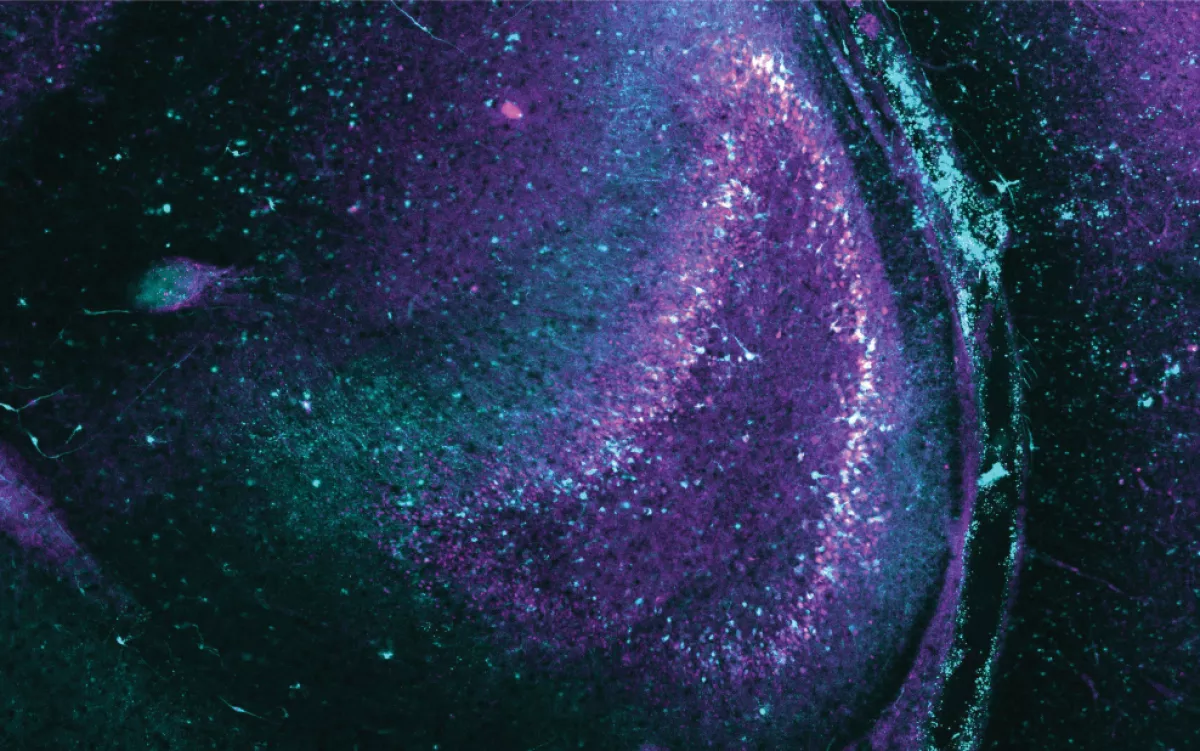
How Optogenetics Can Put the Brakes on Epilepsy Seizures
Researchers at UCSF, UCSC and UC Berkeley use pulses of light to switch neurons off and curb abnormal neural activity.

Molecular Zip Code Draws Killer T Cells to Brain Tumors
Researchers programmed immune cells to attack glioblastoma and treat inflammation from multiple sclerosis in mice. The glioblastoma technology will soon be tested in a clinical trial.

Getting to the Roots of Glioblastoma
3D representations of individual patients’ tumors reveal origins and new potential vulnerabilities.

UCSF Brain Tumor Center Awarded $13 Million Program Project Grant Renewal from the NCI
The grant brings together a multidisciplinary team across UCSF to investigate investigate genomic and imaging biomarkers of glioblastoma and meningioma.

ER Visit Leads to Moyamoya Disease Diagnosis and Personalized Treatment Plan: UCSF Case Study
Surgical and medical experts from the UCSF Comprehensive Stoke Center helped a patient recover from her initial emergency department visit and manage her risk factors to prevent future strokes.
UCSF Neurosurgery Ranks No.1 in NIH Funding
For the 18th year in a row, UCSF ranks as the top program for neurosurgery research in the country with more than $30 million awarded in grants in 2023.
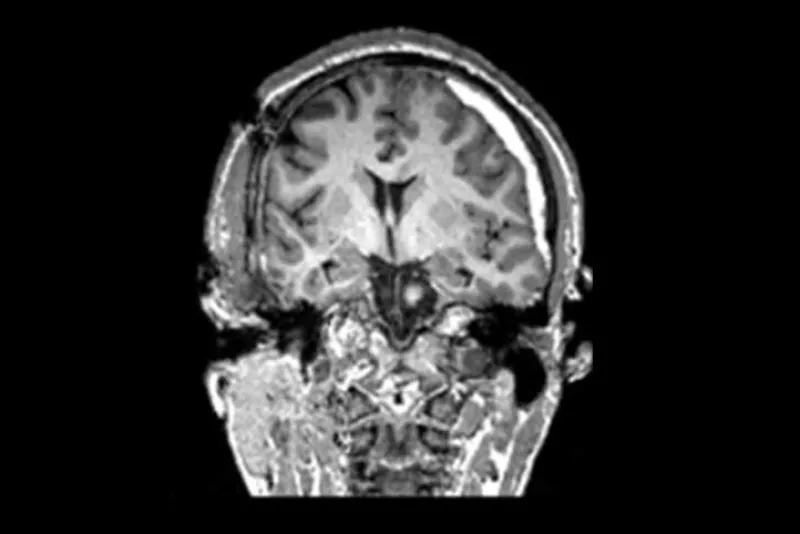
American College of Surgeons Releases Updated Guidelines for Managing Traumatic Brain Injury
An international multidisciplinary panel of experts in TBI medicine chaired by our Chief of Neurotrauma Geoffrey Manley, MD, PhD, provides new insights on advanced neuromonitoring tools, the use of blood-based biomarkers in diagnosis, and comprehensive rehabilitation in the post-acute setting.
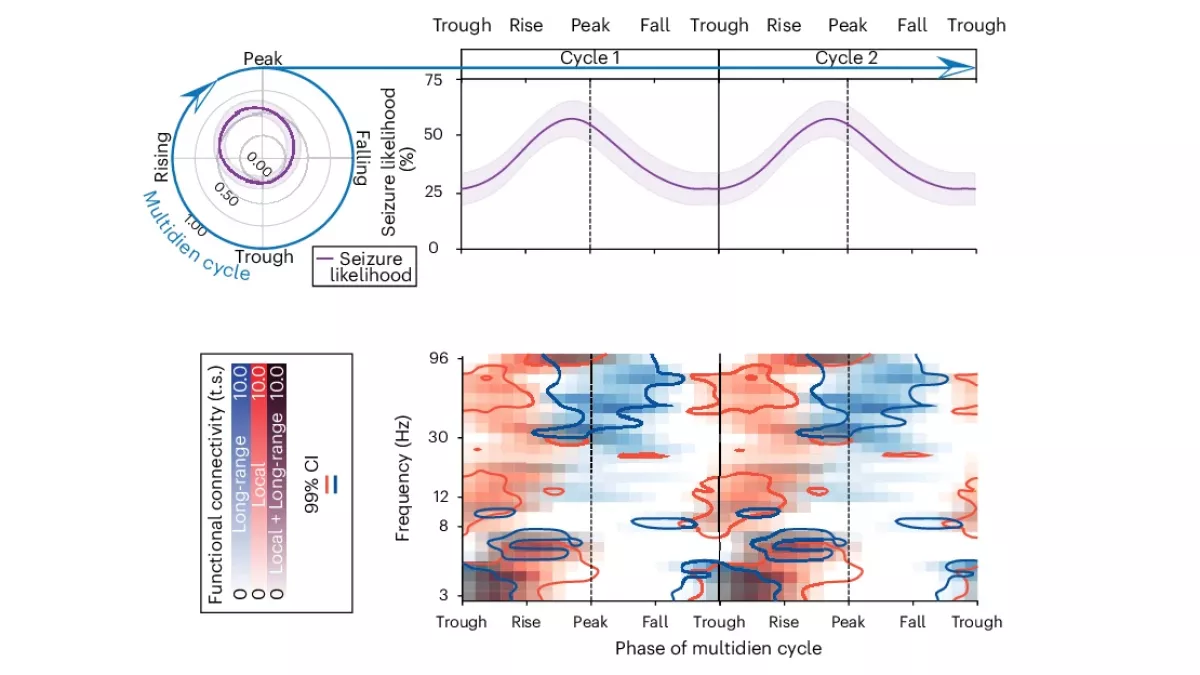
Forecasting May Help People with Epilepsy Predict Their Seizures
UCSF team discovers brain activity patterns that foreshadow seizures up to 24 hours before they occur.
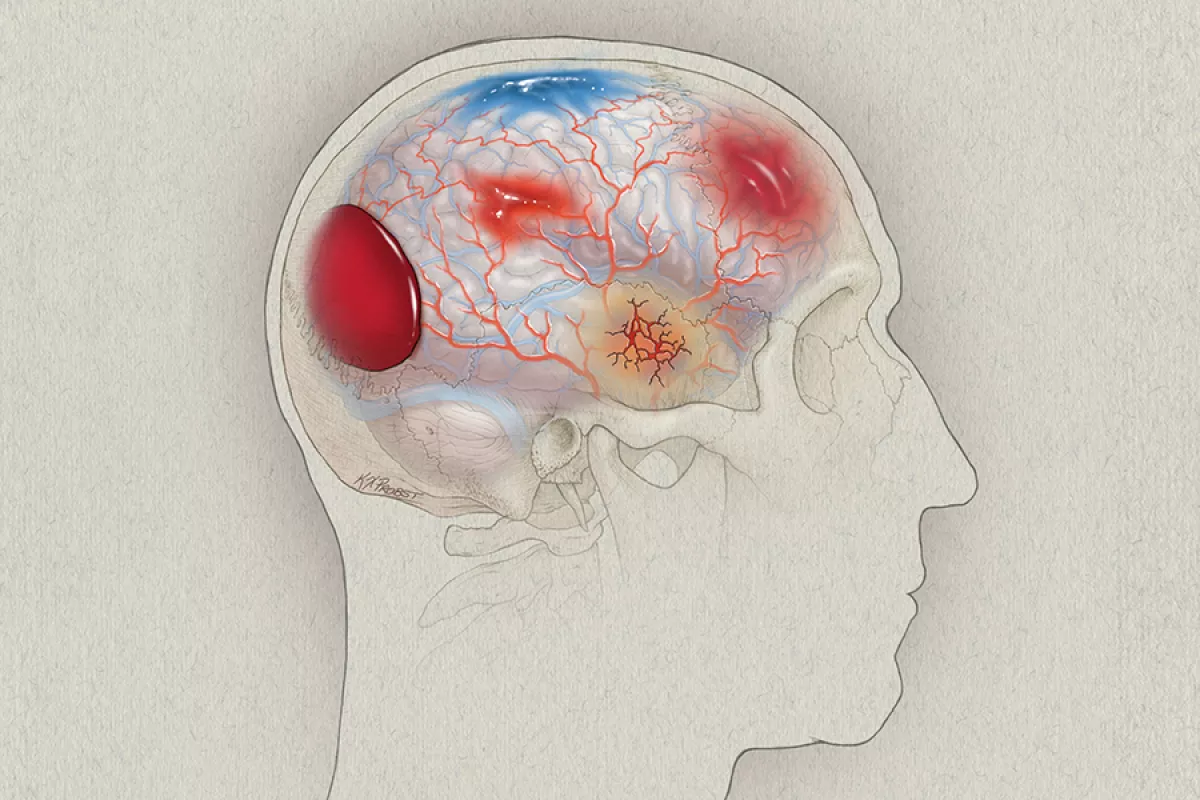
A Snapshot of Surgical Care for Traumatic Brain Injury in the U.S.
A recent analysis from the TRACK-TBI team offers the first comprehensive report on the contemporary neurosurgical practice for patients hospitalized with TBIs.
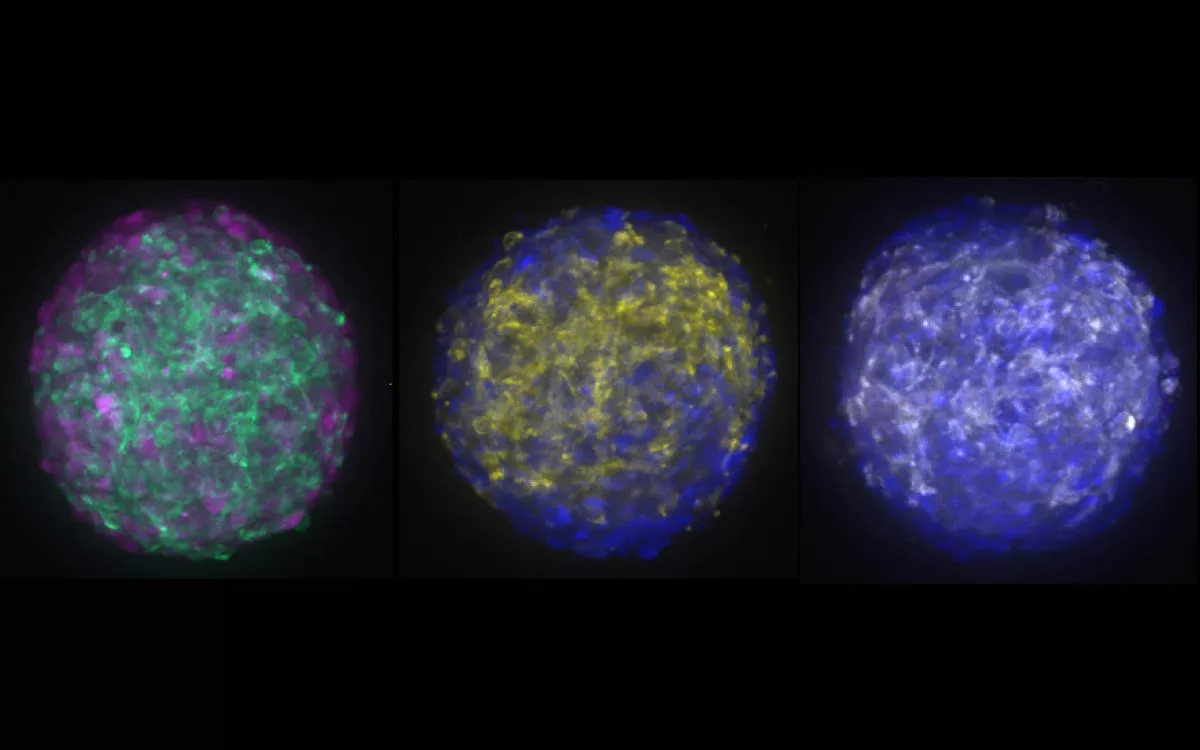
Revealing How Meningiomas Evolve as They Grow and Respond to Therapy
New UCSF study develops a brain tumor organoid model to test potential treatment approaches.

Human Cervical Epidural Spinal Electrogram Topographically Maps Distinct Volitional Movements
Neurosurgeon Doris Wang, MD, PhD, has developed a novel approach for studying the electrophysiology of the spinal cord that could help researchers neurostimulation protocols for rehabilitation after spinal cord injury.
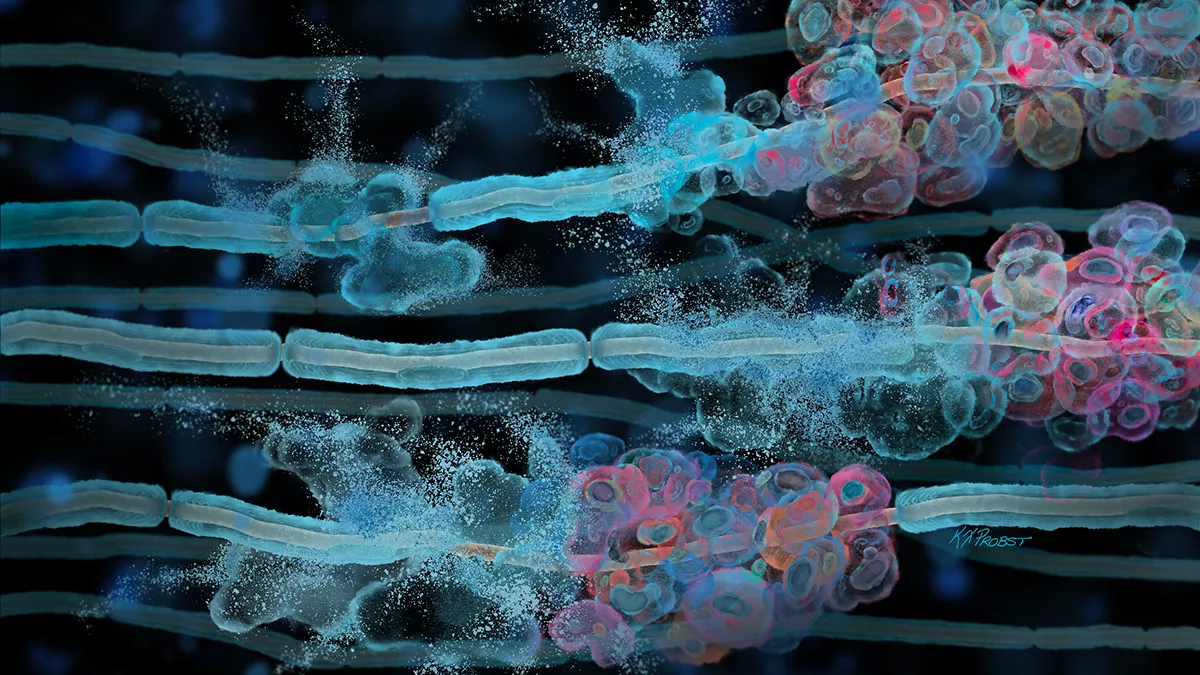
Functional Interactions Between Neurofibromatosis Tumor Suppressors Underlie Schwann Cell Tumor De-differentiation and Treatment Resistance
A UCSF-led study shows how NF1-mutant Schwann cell tumors undergo malignant transformation, identifying new potential strategies against treatment resistance in these peripheral nerve tumors.
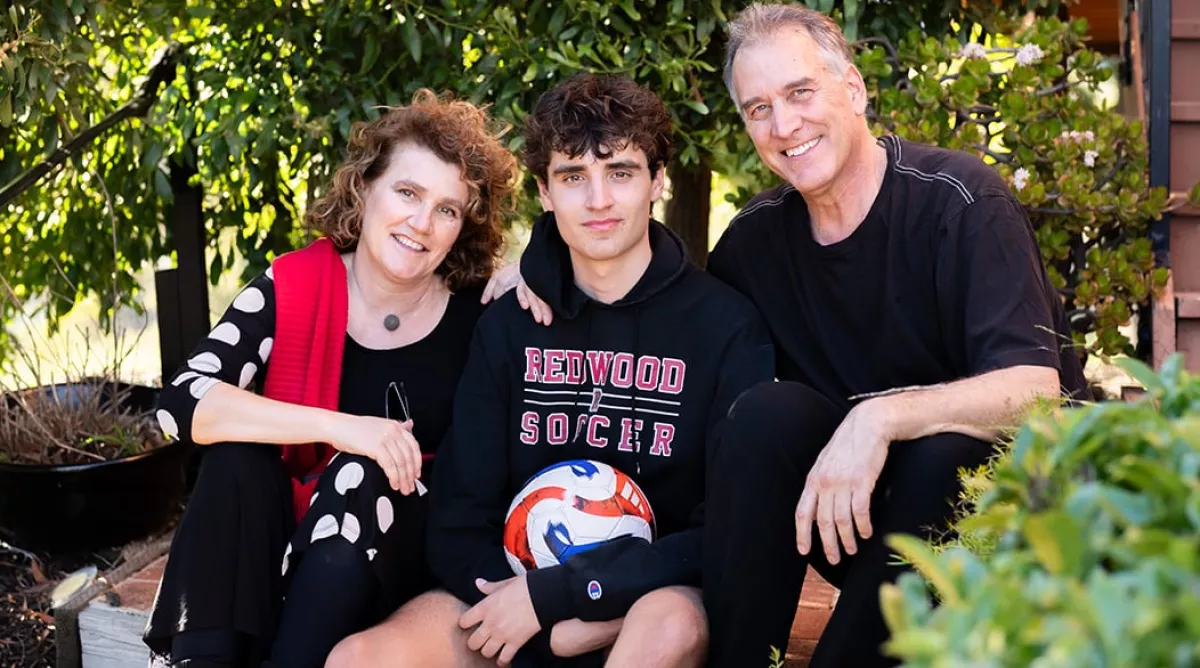
Trauma Team Saves a Teen Surfer from Paralysis
When 15-year-old Marcos Ornellas broke his neck surfing, spine surgeons were able to save him from paralysis. With physical therapy, he was able to walk again.
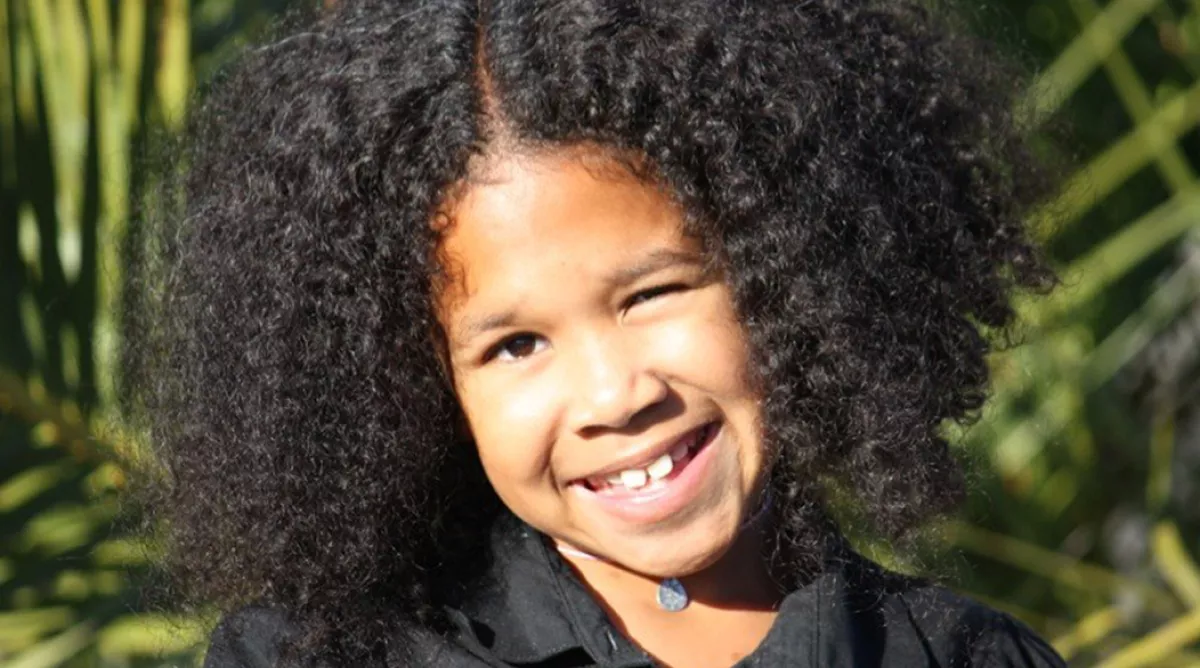
Virtual Reality Transforming Brain Surgery for Patients and Providers
Pediatric neurosurgeon Kurtis Auguste, MD, uses VR technology in planning surgeries and to make patients like Emri Bullock feel empowered in their treatment.

Cervical spondylotic myelopathy and driving abilities: defining the prevalence and long-term postoperative outcomes using the Quality Outcomes Database
Neurosurgeon Praveen Mummaneni, MD, and his colleagues show that a majority of patients with cervical spondylotic myleopathy report improvements in their driving ability within 24 months of their surgery.
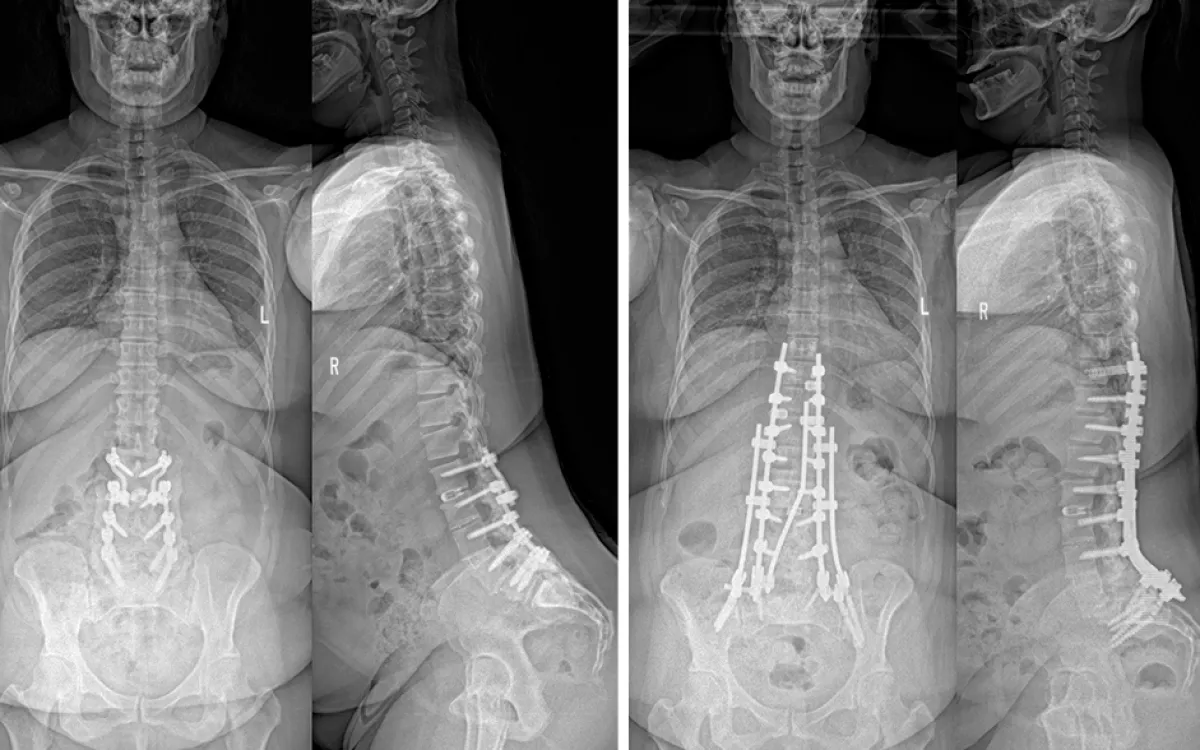
A retrospective analysis of 513 patients undergoing pedicle subtraction osteotomy for adult spinal deformity by a single surgical team: are elderly patients at an elevated risk for complications?
Led neurosurgeon Chris Ames, MD, researchers show that while patients over 70 had higher rates of minor complications, procedure can improve the quality of life for patients across all ages.